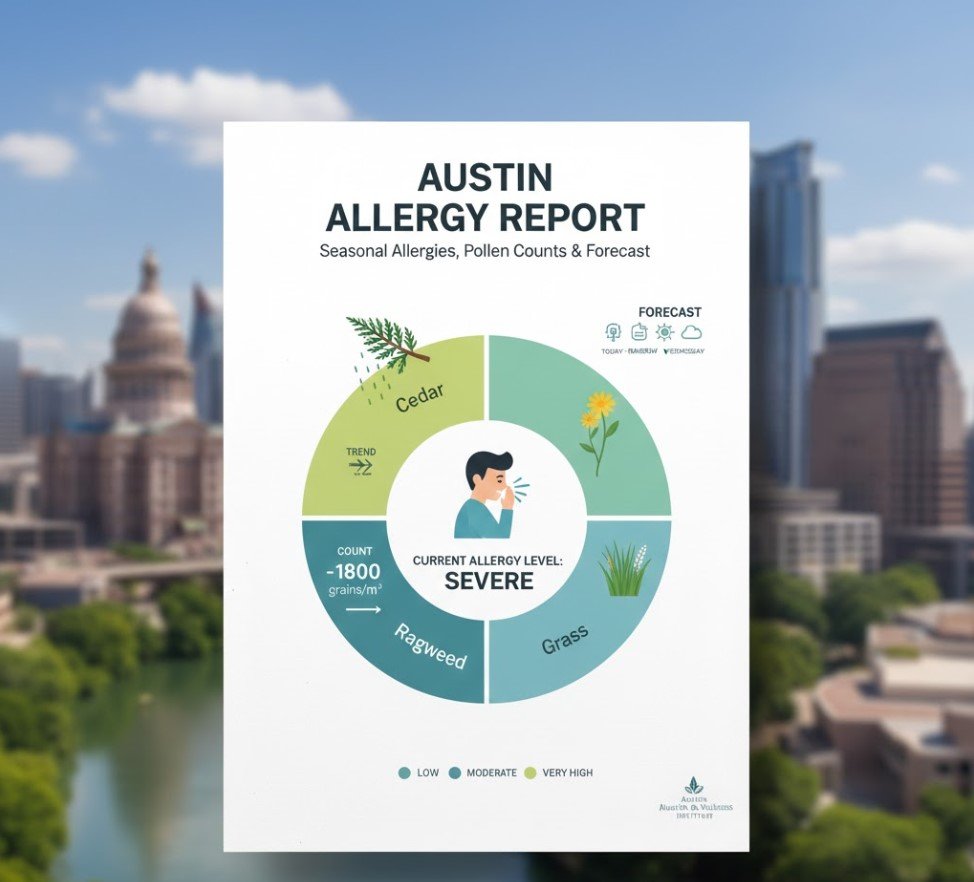
Introduction: Why the Austin Allergy Report Matters
The Austin allergy report is more than just a daily update for people with seasonal sniffles. In a city known for its vibrant outdoor culture, live music scene, and rapidly growing population, allergies play a major role in everyday health. Austin consistently ranks among the most challenging cities in the United States for allergy sufferers due to its unique climate, diverse plant life, and long pollen seasons. Understanding the allergy report in Austin helps residents and visitors make informed decisions about outdoor activities, medication use, and long-term allergy management.
What Is the Austin Allergy Report?
The allergy report Austin residents rely on is a daily or weekly assessment of airborne allergens present in the local environment. These reports measure pollen levels from trees, grasses, and weeds, as well as mold spores that thrive in Austin’s warm and humid climate. The purpose of the report is to inform the public about which allergens are most active and how severe the exposure risk may be.
Most allergy reports are generated using pollen collection stations that trap airborne particles. Trained specialists analyze these samples and publish results that categorize allergen levels as low, moderate, high, or very high. This information is essential for people with allergic rhinitis, asthma, sinus issues, and other respiratory sensitivities.
Why Austin Is One of the Worst Cities for Allergies
Austin’s reputation as an allergy hotspot is well earned. Several environmental and geographic factors contribute to the intensity and duration of allergy seasons in the region. The city sits at the intersection of multiple ecological zones, which means a wide variety of plants thrive here. Many of these plants produce highly allergenic pollen.
One of the most significant contributors is mountain cedar, also known as Ashe juniper. This tree releases massive amounts of pollen during winter months, a time when many people elsewhere expect relief from seasonal allergies. Spring brings oak, ash, elm, and grass pollens, while fall introduces ragweed and weed pollens. Mold spores remain a year-round issue, especially after rain or during humid periods.
Because of this overlap, Austin often experiences what allergy specialists call a nearly continuous allergy season.
How the Allergy Report in Austin Is Measured
Understanding how the allergy report Austin data is collected adds credibility and trust to the information. Pollen and mold counts are typically gathered using volumetric air samplers placed on rooftops or elevated locations. These devices draw in air over a sticky surface that captures microscopic particles.
Certified analysts then identify and count the allergens under a microscope. The results are standardized and published through medical organizations, local health networks, and weather services. While methods can vary slightly by provider, reputable reports follow consistent scientific protocols, ensuring reliability.
Tree Pollen in Austin and Its Impact
Tree pollen is one of the most dominant allergens affecting Austin residents. Cedar pollen is infamous for triggering severe symptoms such as congestion, sinus pressure, headaches, and fatigue. Oak pollen follows closely in spring, coating cars, sidewalks, and outdoor furniture in a visible yellow-green dust.
Ash, elm, pecan, and mulberry trees also contribute to the tree pollen load. These pollens are lightweight and easily carried by wind, making exposure difficult to avoid. The Austin allergy report often shows tree pollen reaching very high levels, especially between December and April.
Grass Pollen and Seasonal Exposure
Grass pollen becomes prominent in late spring and early summer. Bermuda grass, Johnson grass, and ryegrass are common contributors in Central Texas. Grass pollen tends to affect people who spend time outdoors, including runners, cyclists, landscapers, and children playing outside.
According to long-term allergy data, grass pollen in Austin can remain elevated well into summer, particularly after rainfall. This makes monitoring the allergy report Austin updates especially important for individuals with exercise-induced asthma or chronic nasal allergies.
Weed Pollen and Fall Allergies in Austin
Fall allergies in Austin are largely driven by weed pollens, with ragweed being the most notorious. Ragweed pollen is highly allergenic and can travel hundreds of miles on air currents. Even small concentrations can cause significant symptoms.
Other weeds such as pigweed, lamb’s quarters, and marsh elder also contribute to fall allergy severity. The allergy report in Austin often shows spikes during late summer and early fall, especially during dry, windy conditions.
Mold Spores and Year-Round Allergies
Unlike pollen, mold spores are present throughout the year in Austin. The city’s humidity, frequent rain, and warm temperatures create ideal conditions for mold growth. Outdoor mold thrives in soil, decaying leaves, and shaded areas, while indoor mold can develop in poorly ventilated spaces.
For many people, mold is a hidden trigger that causes persistent symptoms even when pollen counts are low. The Austin allergy report often includes mold levels, which can help explain ongoing symptoms outside of peak pollen seasons.
How to Read and Interpret the Austin Allergy Report
Interpreting the allergy report Austin residents see daily involves understanding both allergen type and concentration. A high cedar count, for example, may be irrelevant to someone allergic only to grass but extremely problematic for cedar-sensitive individuals.
Severity levels are typically based on historical data and symptom correlation. Low levels generally cause minimal symptoms, while very high levels are associated with widespread discomfort among sensitive populations. Paying attention to trends over several days can be more useful than focusing on a single reading.
Health Effects of High Allergy Levels
Exposure to high allergen levels can affect more than just the nose and eyes. Allergies can cause fatigue, poor sleep, difficulty concentrating, and reduced quality of life. For people with asthma, high pollen or mold counts can trigger serious respiratory symptoms.
Chronic exposure may also lead to sinus infections, ear pressure, and increased reliance on medications. Understanding the Austin allergy report allows individuals to take preventive action before symptoms escalate.
Practical Ways to Reduce Allergy Exposure in Austin
Managing allergies in Austin requires a proactive approach. While avoiding allergens entirely is impossible, reducing exposure can significantly lessen symptoms. Checking the allergy report Austin updates before planning outdoor activities is one of the most effective strategies.
Keeping windows closed during high pollen days, using air purifiers with HEPA filters, and showering after outdoor exposure can help remove pollen from skin and hair. Washing bedding frequently and changing clothes after spending time outside also reduce indoor allergen buildup.
Medical Treatment Options for Austin Allergy Sufferers
Treatment options range from over-the-counter antihistamines and nasal sprays to prescription medications and immunotherapy. Allergy shots and sublingual tablets are long-term solutions that can reduce sensitivity over time.
Local allergists often tailor treatment plans based on Austin-specific allergens, making the allergy report Austin data especially valuable during diagnosis and treatment planning. Consulting a board-certified allergist is recommended for persistent or severe symptoms.
Allergies and Air Quality in Austin
Air quality and allergies are closely connected. High ozone levels, pollution, and wildfire smoke can worsen allergic reactions and irritate the respiratory system. Austin’s rapid growth has increased traffic and construction, which can contribute to airborne irritants.
On days when both air quality and allergen levels are poor, symptoms may be more intense. Monitoring both the allergy report and air quality index provides a more complete picture of environmental health risks.
Climate Change and Its Effect on Austin Allergies
Climate change is influencing allergy patterns in Austin and beyond. Warmer temperatures extend growing seasons, leading to longer pollen production periods. Increased carbon dioxide levels also stimulate plants to produce more pollen.
Research shows that allergy seasons are starting earlier and lasting longer than in previous decades. This trend makes the Austin allergy report even more relevant as a tool for long-term health planning.
Allergies in Children and Older Adults
Children and older adults are particularly vulnerable to allergy-related complications. Children may experience learning difficulties and sleep disruption due to nasal congestion, while older adults may face increased risks due to preexisting respiratory or cardiovascular conditions.
Parents and caregivers should monitor the allergy report Austin data closely and adjust outdoor activities accordingly. Early intervention can prevent complications and improve overall well-being.
Workplace and Lifestyle Considerations
Allergies can affect productivity and daily comfort. Outdoor workers, fitness instructors, and hospitality staff are often exposed to high allergen levels. Employers can support health by improving indoor air quality and allowing flexible schedules during peak allergy days.
Remote work and indoor exercise options have become valuable tools for managing allergies without sacrificing productivity or fitness.
Technology and Tools for Tracking Austin Allergy Trends
Modern technology has made it easier to track allergy conditions in real time. Mobile apps, local news platforms, and medical websites provide daily updates on the allergy report Austin residents depend on.
Some tools allow users to personalize alerts based on specific allergens, making management more precise. Consistent tracking helps identify patterns and anticipate symptom flare-ups.
Community Awareness and Public Health
Public awareness campaigns and local health initiatives play a role in educating residents about allergies. Schools, healthcare providers, and community organizations often share seasonal guidance based on allergy reports.
As Austin continues to grow, integrating allergy awareness into public health planning will become increasingly important.
Conclusion
The Austin allergy report is an essential resource for navigating life in Central Texas. With overlapping allergy seasons, diverse allergens, and environmental challenges, staying informed empowers residents to protect their health and maintain an active lifestyle.
By understanding how allergy reports work, recognizing local triggers, and taking preventive measures, individuals can reduce symptoms and improve quality of life. Allergies may be a constant presence in Austin, but with knowledge and preparation, they do not have to control daily living.
FAQs
What is the Austin allergy report?
It shows daily pollen and mold levels in Austin to help manage allergies.
How often is it updated?
Most reports are updated daily, especially during peak allergy seasons.
Which allergens are most common in Austin?
Cedar, oak, grass, ragweed, and mold are the main triggers.
When are allergy levels highest?
Pollen is usually highest in the morning and on windy days.
Can the report help prevent allergy symptoms?
Yes, by planning activities and taking precautions during high allergen days.
2 thoughts on “Austin Allergy Report A Complete Guide to Understanding Allergies in Austin”