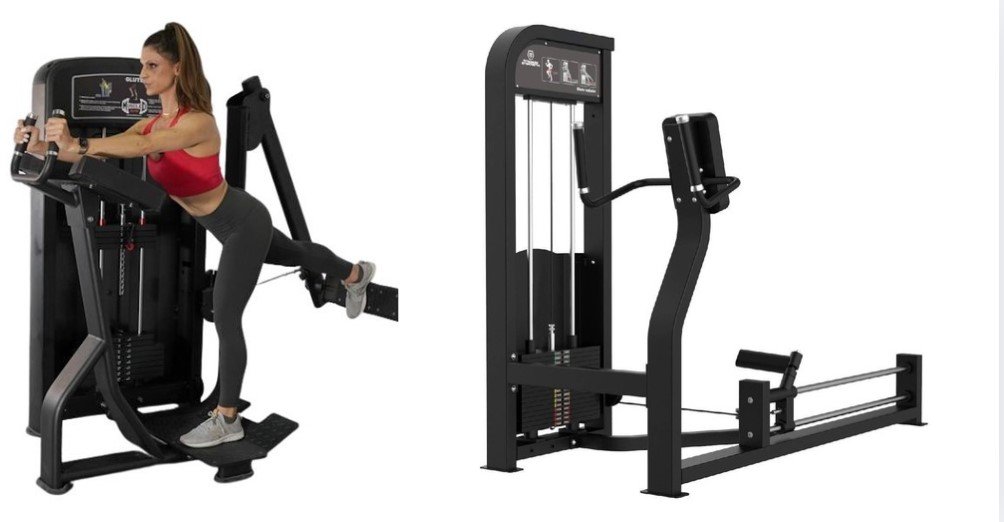
If you’re looking for a machine that targets your glutes in the most effective way, the standing glute kickback machine should be on your radar. This unique machine provides a powerful workout by focusing on your upper glutes while minimizing the involvement of your hamstrings. If you’re aiming for sculpted, strong glutes, this machine is a great tool to add to your fitness routine. In this article, we’ll cover everything you need to know about the standing glute kickback machine, from how to use it, the muscles it works, pro tips, benefits, and alternatives.
Glute Kickback Machine: How to Use It
Using the standing glute kickback machine is simple, and once you get the hang of it, you’ll feel the burn in all the right places. Here’s how to use the machine correctly:
- Set Up the Machine: Start by adjusting the machine to your height. Make sure the pad is placed at a comfortable level, usually just below your hips. Adjust the footrest and weight stack according to your fitness level.
- Position Yourself: Stand facing the machine, gripping the handles for support. Place one foot on the footrest and position your other foot on the ground.
- Kick Back: Begin the movement by kicking your leg back behind you. Keep your core engaged and your back straight. The focus is on driving the movement with your glutes, not your lower back or hamstrings.
- Return Slowly: Once your leg is extended, bring it back carefully to the starting position. Control the motion to get the most out of your glute activation.
Muscles Worked by the Glute Kickback Machine
The standing glute kickback machine is designed to target the muscles in your glutes with precision. The primary muscles worked during this movement include
- Gluteus Maximus: This is the largest muscle in the glute group and is the main target of the kickback machine. It’s responsible for hip extension, which is exactly what happens when you kick your leg back.
- Gluteus Medius: This muscle is located on the side of your glute and plays a key role in stabilizing your hip during the movement.
- Hip Flexors: While your glutes do most of the work, your hip flexors are also involved in the leg extension.
Unlike exercises that work multiple muscle groups (like squats), the glute kickback machine isolates your glutes, ensuring you’re getting maximum engagement for a more targeted workout.
Glute Kickback Machine Pro Tips
People can also read this: DCMN – Complete Guide to the Video-First Marketing Company
To get the most out of your glute kickbacks and avoid common mistakes, follow these pro tips:
- Engage Your Core: Keeping your core tight throughout the movement will help stabilize your body and prevent any strain on your lower back.
- Don’t Overextend: Avoid arching your back excessively or kicking your leg too high. Overextending can lead to poor form and potential injury.
- Use Controlled Movements: Focus on slow and controlled movements to fully activate your glutes. Avoid rushing through the reps.
- Keep Your Foot Flexed: Point your toes downward to keep your leg in proper alignment. A flexed foot can help you better activate the glutes.
Benefits of the Glute Kickback Machine
There are numerous reasons why the standing glute kickback machine is so popular. Here are just a few benefits:
- Targeted Glute Activation: The machine isolates the glutes like no other, giving you a more direct workout for building stronger, shapelier glutes.
- Reduced Risk of Injury: Using the machine provides better support than free-weight exercises like squats or deadlifts, reducing your risk of injury.
- Progressive Overload: The machine allows you to add weights progressively, helping you build muscle over time.
- Convenience: The glute kickback machine is a great choice if you want to focus solely on your glutes without needing a spotter.
Glute Kickback Machine Variations & Alternatives
While the standing glute kickback machine is effective, you may want to mix things up occasionally. Here are some variations and alternatives to keep your glute workout exciting:
- Cable Kickbacks: Using a cable machine for kickbacks offers a similar motion, but without the fixed positioning of the glute kickback machine.
- Donkey Kicks: This bodyweight exercise mimics the kickback movement, but you perform it without equipment. You can add ankle weights for more resistance.
- Hip Thrusts: A great exercise for glutes, hip thrusts target the gluteus maximus and can be done with a barbell for added intensity.
- Step-Ups: Using a bench or step, step-ups engage the glutes and help with overall lower body strength and stability.
Our Best Glute Resources
If you’re committed to strengthening your glutes, check out these helpful resources:
- Glute Workouts: A variety of exercises that target the glutes and can be done at home or at the gym.
- Nutrition for Glute Growth: Discover the foods that can help fuel your glute-building efforts.
- Stretching for Flexibility: Stretching before and after workouts can help prevent injury and enhance muscle growth.
Glute and Back Pain During Glute Kickbacks
Experiencing glute or back pain during kickbacks is a common issue, but it’s often due to improper form. Here are some tips to reduce discomfort:
- Check Your Posture: Make sure your back stays straight and your core is engaged. Hunching over or overextending can strain your lower back.
- Avoid Overloading: If you’re using too much weight, it can affect your form and lead to injury. Start with a lighter weight and gradually increase as your strength improves.
If the pain persists, it might be worth consulting a fitness professional or a healthcare provider to ensure you’re performing the exercise correctly and to rule out any underlying issues.
Glute Kickback Machine FAQs
1. How often should I use the glute kickback machine?
It’s best to incorporate the glute kickback machine into your leg or glute workout routine 2–3 times per week. This will allow your muscles time to recover between sessions.
2. Can I use the glute kickback machine for weight loss?
While the glute kickback machine targets the glutes specifically, it’s not a fat-burning exercise on its own. To lose fat, combine it with a balanced diet and full-body workouts that include cardio and strength training.
3. Can beginners use the glute kickback machine?
Yes! The glute kickback machine is beginner-friendly. Start with a lighter weight and focus on mastering the form before increasing resistance.
For more updates visit: FUSION GLANCE