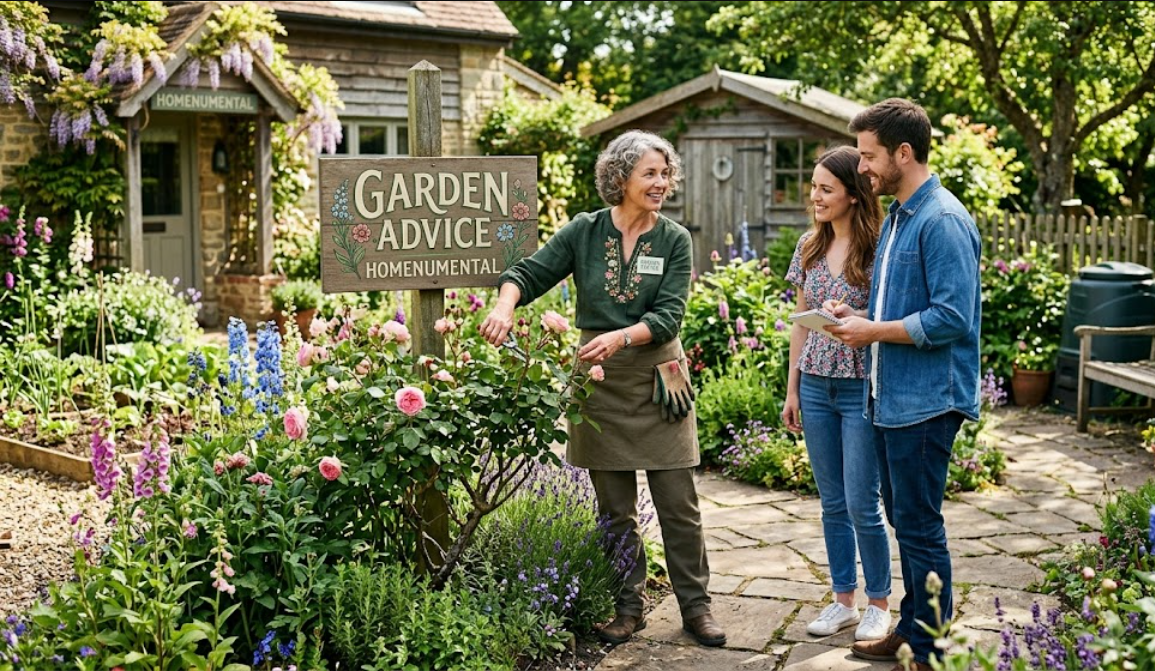
Creating a flourishing garden is both an art and a science. Whether you are a beginner or an experienced gardener, understanding the fundamentals can transform your outdoor space into a vibrant, productive sanctuary. This is where garden advice homenumental becomes essential. It represents a holistic, practical approach to gardening that combines proven techniques with modern insights, helping you grow healthier plants and maintain a beautiful garden year-round.
In this comprehensive guide, you will learn everything from soil preparation and plant selection to watering techniques and seasonal care. This article is designed to provide real value, grounded in experience and best practices, ensuring your garden not only survives but thrives.
Understanding the Concept of Garden Advice Homenumental
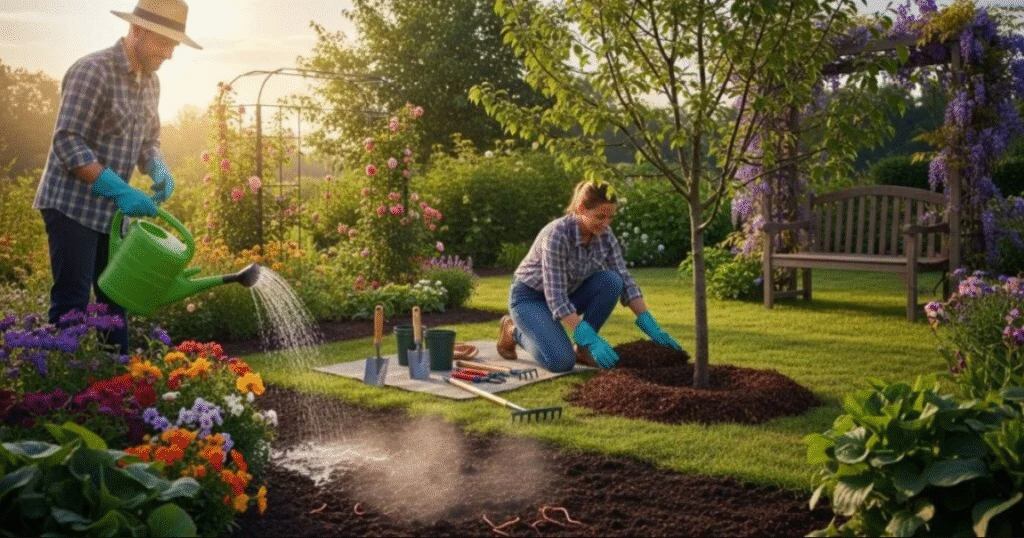
The idea behind garden advice homenumental is rooted in sustainable gardening and thoughtful planning. It emphasizes long-term success rather than quick fixes. Instead of relying on random tips, this approach encourages gardeners to understand plant needs, local climate, and soil conditions.
Gardening experts often highlight that nearly 80% of plant health depends on soil quality and environmental conditions. This makes it crucial to adopt a well-rounded strategy. Garden advice homenumental focuses on building a strong foundation, ensuring your efforts produce lasting results.
This method also aligns with eco-friendly gardening practices, promoting biodiversity and reducing reliance on chemicals. By following these principles, gardeners can create spaces that are both visually appealing and environmentally responsible.
The Importance of Soil Health in Garden Success
Healthy soil is the backbone of any successful garden. Without it, even the most carefully selected plants will struggle to grow. Garden advice homenumental strongly emphasizes soil preparation as the first and most critical step.
Soil should be rich in organic matter, well-draining, and balanced in nutrients. Composting is one of the most effective ways to improve soil quality. Studies show that adding compost can increase soil fertility by up to 30%, significantly boosting plant growth.
Understanding soil pH is equally important. Most plants thrive in slightly acidic to neutral soil. Testing your soil and adjusting it with natural amendments such as lime or sulfur can make a noticeable difference.
Additionally, aeration helps roots access oxygen more effectively. Loosening compacted soil ensures better water absorption and root development, which are essential for healthy plants.
Choosing the Right Plants for Your Garden
Selecting the right plants is a fundamental aspect of garden advice homenumental. Not all plants are suitable for every environment, and choosing the wrong ones can lead to frustration and poor results.
Also Read: How Much Ibuprofen Can I Take Daily? A Complete Guide
Climate plays a major role in plant selection. Understanding your region’s temperature, rainfall, and sunlight patterns helps you pick plants that naturally thrive in those conditions. Native plants are often the best choice because they are adapted to local environments and require less maintenance.
Another important factor is garden layout. Consider how much sunlight each area receives throughout the day. Some plants need full sun, while others prefer partial shade. Placing plants according to their light requirements ensures optimal growth.
Companion planting is another valuable strategy. Certain plants grow better together because they enhance each other’s growth or repel pests. This natural approach reduces the need for chemical interventions and supports a healthier ecosystem.
Watering Techniques That Promote Healthy Growth
Watering is one of the most misunderstood aspects of gardening. Too much or too little water can damage plants, making it essential to find the right balance. Garden advice homenumental encourages efficient watering practices that conserve resources while supporting plant health.
Deep watering is more beneficial than frequent shallow watering. It encourages roots to grow deeper, making plants more resilient during dry periods. Early morning is the best time to water, as it reduces evaporation and allows plants to absorb moisture effectively.
Drip irrigation systems are highly recommended for consistent watering. They deliver water directly to the root zone, minimizing waste and preventing fungal diseases caused by excess moisture on leaves.
Mulching also plays a key role in moisture retention. A layer of organic mulch can reduce water evaporation by up to 50%, helping maintain consistent soil moisture levels.
The Role of Sunlight and Temperature
Sunlight is essential for photosynthesis, the process that allows plants to produce energy. Garden advice homenumental highlights the importance of understanding sunlight patterns in your garden.
Different plants have varying sunlight requirements. Vegetables like tomatoes and peppers need full sun, while leafy greens can tolerate partial shade. Observing your garden throughout the day helps you identify the best spots for each type of plant.
Temperature also affects plant growth. Extreme heat or cold can stress plants and reduce productivity. Using shade cloths during hot weather or protective covers during cold nights can help maintain optimal conditions.
Creating microclimates within your garden is another effective strategy. For example, planting taller crops can provide shade for smaller, heat-sensitive plants.
Organic Fertilization and Nutrient Management
Providing the right nutrients is essential for plant growth. Garden advice homenumental promotes the use of organic fertilizers, which improve soil health and reduce environmental impact.
Organic options such as compost, manure, and bone meal release nutrients slowly, ensuring steady plant growth. Unlike synthetic fertilizers, they do not harm beneficial soil organisms.
Understanding the three primary nutrients—nitrogen, phosphorus, and potassium—is crucial. Nitrogen supports leaf growth, phosphorus aids root development, and potassium enhances overall plant health.
Regular feeding schedules help maintain nutrient balance. However, over-fertilization can be harmful, leading to nutrient imbalances and reduced plant performance.
Pest and Disease Management Naturally
Pests and diseases are common challenges in gardening, but they can be managed effectively without harsh chemicals. Garden advice homenumental encourages natural solutions that protect both plants and the environment.
Introducing beneficial insects such as ladybugs and bees helps control pest populations. These insects play a vital role in pollination and pest management.
Crop rotation is another effective method. Changing plant locations each season prevents the buildup of pests and diseases in the soil.
Homemade remedies, such as neem oil sprays, can also be used to control pests. These natural treatments are safe and effective when used correctly.
Maintaining plant health is the best defense against diseases. Healthy plants are more resistant to infections, making preventive care essential.
Seasonal Gardening Tips for Year-Round Success
Gardening is a year-round activity that requires adjustments based on the season. Garden advice homenumental emphasizes planning ahead to ensure continuous growth and productivity.
Also Read: Discover Your Dream Home at 34 Engelhard Ave, Avenel, NJ 07001—A Perfect Place to Call Home!
In spring, focus on planting and soil preparation. This is the ideal time to start new plants and establish your garden.
Summer requires careful watering and pest control. High temperatures can stress plants, so providing adequate moisture and shade is essential.
Autumn is perfect for harvesting and preparing the garden for winter. Adding compost and planting cover crops helps improve soil health.
Winter is a time for planning and maintenance. Protecting plants from frost and preparing for the next growing season ensures a smooth transition into spring.
Sustainable Gardening Practices
Sustainability is a key component of garden advice homenumental. By adopting eco-friendly practices, gardeners can reduce their environmental impact while creating healthier gardens.
Rainwater harvesting is an excellent way to conserve water. Collecting and using rainwater reduces reliance on municipal sources and provides plants with natural, chemical-free water.
Reducing waste through composting transforms kitchen scraps into valuable soil nutrients. This not only improves soil health but also minimizes landfill waste.
Planting a diverse range of species supports biodiversity. A diverse garden attracts beneficial insects and creates a balanced ecosystem.
Avoiding chemical pesticides and fertilizers protects soil health and ensures a safer environment for both humans and wildlife.
Common Gardening Mistakes to Avoid
Even experienced gardeners make mistakes, but learning from them is part of the process. Garden advice homenumental highlights common errors to help you avoid setbacks.
Overwatering is one of the most frequent issues. It can lead to root rot and fungal diseases. Understanding your plants’ water needs is essential.
Ignoring soil quality is another mistake. Without proper soil preparation, plants will struggle regardless of other efforts.
Planting too close together can limit growth and increase competition for resources. Proper spacing ensures healthy development.
Neglecting regular maintenance can lead to problems over time. Consistent care is key to a successful garden.
Conclusion
Garden advice homenumental provides a comprehensive framework for successful gardening. By focusing on soil health, plant selection, efficient watering, and sustainable practices, you can create a thriving garden that flourishes in every season.
Also Read: Contact Paper The Versatile Solution for Easy Home Makeovers
Gardening is a rewarding journey that requires patience, knowledge, and dedication. With the right approach, your garden can become a source of beauty, relaxation, and even fresh produce.
By applying the strategies outlined in this guide, you will be well on your way to achieving a vibrant and healthy garden that stands the test of time.
FAQs
What does garden advice homenumental mean?
It refers to a comprehensive, sustainable approach to gardening that focuses on long-term success through proper planning, soil care, and eco-friendly practices.
How often should I water my garden?
Watering depends on plant type and climate, but deep watering a few times a week is generally more effective than daily shallow watering.
What is the best soil for gardening?
Rich, well-draining soil with balanced nutrients and organic matter is ideal for most plants.
How can I prevent pests naturally?
Using beneficial insects, crop rotation, and natural sprays like neem oil can help control pests without chemicals.
Why is compost important?
Compost improves soil fertility, structure, and moisture retention, making it essential for healthy plant growth.
For more updates visit: FUSION GLANCE