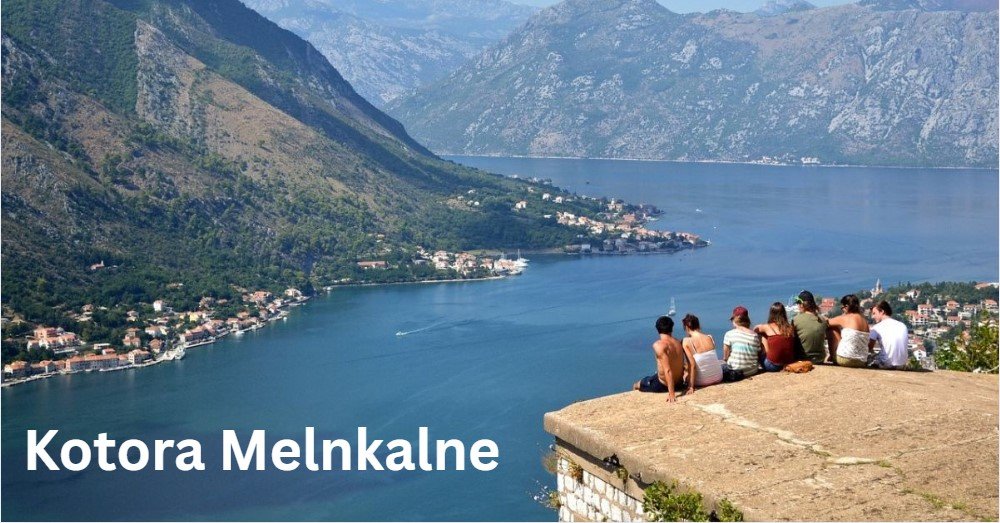
Kotora Melnkalne is more than just a phrase; it is an evocative and lyrical name that encapsulates the spirit of one of the most enchanting towns along the Adriatic coast. “Kotora” is an artistic twist on Kotor, while “Melnkalne” translates to “dark mountain”—a nod to both the majestic cliffs surrounding the Bay of Kotor and Montenegro’s very name, which means “Black Mountain.” Together, these words form a title that feels ageless, full of mystery, and rich with symbolism, representing the town’s strength and timeless beauty.
Nestled in the heart of southwestern Montenegro, Kotor lies along the Adriatic Sea, a UNESCO World Heritage Site known for its medieval charm, Venetian fortifications, winding narrow streets, and stunning seaside vistas. The name Kotora Melnkalne distills centuries of history, natural splendor, and cultural significance into one powerful poetic expression, seamlessly connecting the past and the present.
The Historical Legacy of Montenegro
Kotor’s history stretches back more than 2,000 years. From the Illyrians to the Romans, Byzantines, and Venetians, each civilization has left its unique imprint on this coastal gem. Kotor’s strategic location along the Adriatic made it a vital fortress, leading to a remarkable architectural blend that reflects centuries of trade, cultural exchange, and military defense.
The Venetian fortifications perched atop the hills surrounding Kotor were constructed between the 15th and 18th centuries. These defensive walls, which blend naturally with the surrounding cliffs, still stand as a testament to the town’s enduring resilience. When the phrase Kotora Melnkalne is uttered, it often evokes the image of these ancient stone walls silhouetted against the imposing black mountains—symbols of Kotor’s ability to withstand the tests of time.
Nature’s Masterpiece: A Landscape of Unmatched Beauty
The Bay of Kotor, often compared to a fjord, is a rare natural wonder. The sheer limestone cliffs, which dramatically descend into deep, serene waters, create a striking visual contrast that has inspired countless artists, poets, and adventurers for centuries.
The “dark mountain” of Melnkalne is not just a poetic reference; it is a daily reality for those walking the town’s cobbled streets, constantly surrounded by the towering peaks. The sunlight dances across these slopes, shifting the mood of the town from a shadowed mystery to a radiant golden glow as the day progresses. This constant play between light and darkness mirrors the poetic duality that the name Kotora Melnkalne perfectly captures.
Kotor’s Old Town: A Journey Through Time
You can also read it: MozzGuard Zapper Benefits, Risks, and Safe Use (Simple 2025 Guide)
Exploring Kotor’s Old Town feels like stepping back in time, into a place where history has been lovingly preserved. The narrow streets wind between ancient stone buildings adorned with terracotta roofs, suddenly opening into vibrant squares surrounded by centuries-old churches and palaces.
Some key highlights include:
- St. Tryphon’s Cathedral (1166): This Romanesque masterpiece is a symbol of Kotor’s religious legacy.
- The Maritime Museum: This museum offers a fascinating look at Kotor’s seafaring traditions and maritime history.
- The Clock Tower: Built in the 17th century, this historic landmark has long served as a timekeeper and a communal gathering spot.
Cultural Vitality and Timeless Traditions
Beyond its architectural treasures, Kotor thrives with cultural energy. Annual events like the Kotor Carnival and Boka Night celebrate local traditions through vibrant music, dance, and illuminated boat parades. Religious festivities, particularly those dedicated to St. Tryphon, bring the community together, intertwining faith, art, and history into a shared cultural experience.
The name Kotora Melnkalne resonates deeply within this cultural landscape, acting as a symbol of continuity and vibrancy. It is a reminder that while the mountains and sea may remain unchanged, the town’s spirit lives on in its people, their stories, and the festivals they celebrate.
Kotora Melnkalne: A Haven for Modern Travelers
For modern-day explorers, Kotora Melnkalne offers more than just sightseeing—it provides an immersive experience steeped in atmosphere. It’s a place where the scent of the Adriatic sea breeze mingles with the rich aroma of freshly baked pastries from family-owned bakeries. The sound of footsteps on cobblestones is often accompanied by the melodic toll of church bells and the refreshing sea wind.
Visitors can:
- Hike the fortress walls for panoramic views of the Bay of Kotor and surrounding landscape.
- Take a boat ride on the Adriatic to explore nearby gems such as Perast and Our Lady of the Rocks.
- Browse local markets for artisanal products like homemade cheese, olive oil, and handwoven textiles.
Why UNESCO Recognition is Crucial
Kotor was designated as a UNESCO World Heritage Site in 1979, not only for its architectural significance but also as a reflection of its role as a cultural crossroads. From the Byzantine Empire to the Venetian Republic, every era has shaped Kotor’s identity in unique ways.
Preserving Kotora Melnkalne—both in name and in spirit—ensures that future generations can continue to experience its beauty and history. UNESCO recognition is vital in safeguarding:
- Architectural integrity: Preserving the original structures and layout of the town.
- Cultural traditions: Protecting local festivals, arts, and crafts.
- Natural environment: Conserving the delicate ecosystem of the Bay of Kotor.
Travel Tips for Experiencing Kotora Melnkalne
To fully embrace the essence of Kotora Melnkalne, consider these travel tips:
- Visit during the shoulder seasons: Spring and autumn offer mild weather and fewer crowds.
- Stay in the Old Town: Immerse yourself in the town’s atmosphere by staying in a centuries-old guesthouse.
- Climb the fortress walls at sunrise: The golden light at dawn provides unparalleled views of the bay and mountains.
- Engage with the locals: Conversations with artisans, shopkeepers, and tour guides bring the town’s rich history to life.
Conclusion
Kotora Melnkalne is more than just a poetic reimagining of Kotor’s name; it’s a reflection of the town’s very soul. The name represents the eternal relationship between sea and mountain, light and shadow, history and modern life. As visitors explore Kotor’s ancient streets, admire its fortifications, and breathe in the fresh air of the Adriatic, they become part of a timeless story—a story written over centuries and still being told today.
Frequently Asked Questions
- Is Kotor worth visiting?
Absolutely. With its rich medieval charm, spectacular mountain views, and Adriatic beauty, Kotor offers a truly unique experience. - How do I get to Kotor from Dubrovnik or Podgorica?
Kotor is easily accessible by bus, car, or private transfer from either city, with scenic coastal and mountain routes available. - When is the best time to visit Kotor?
The spring (April–June) and autumn (September–October) offer ideal weather, fewer tourists, and stunning landscapes. - How many days should I spend in Kotor?
A stay of two to three days is perfect for exploring the Old Town, hiking the fortress walls, and discovering nearby attractions.
1 thought on “Kotora Melnkalne: The Poetic Heart of Kotor, Montenegro”