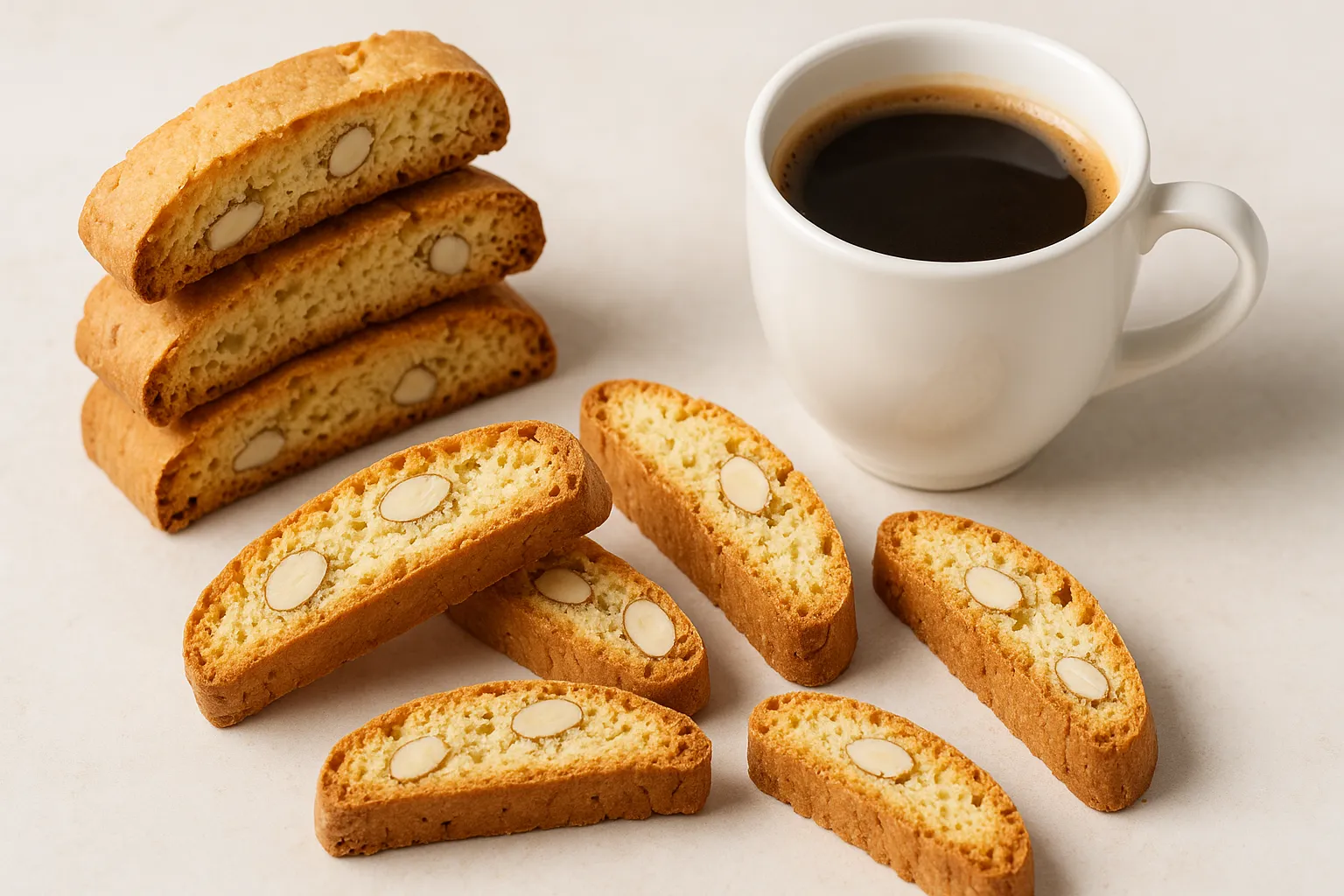
If you’ve ever dipped a crunchy Italian cookie into coffee and loved the experience, you’ve already met бишкоти ди прато, also known as Biscotti di Prato. These classic twice-baked almond cookies come from Prato, Tuscany, and are famous worldwide for their crisp texture, simple ingredients, and long shelf life.
Below is a clear, easy-to-read guide that follows a Google-friendly structure: helpful, original, and written for real people first.
What is бишкоти ди прато?
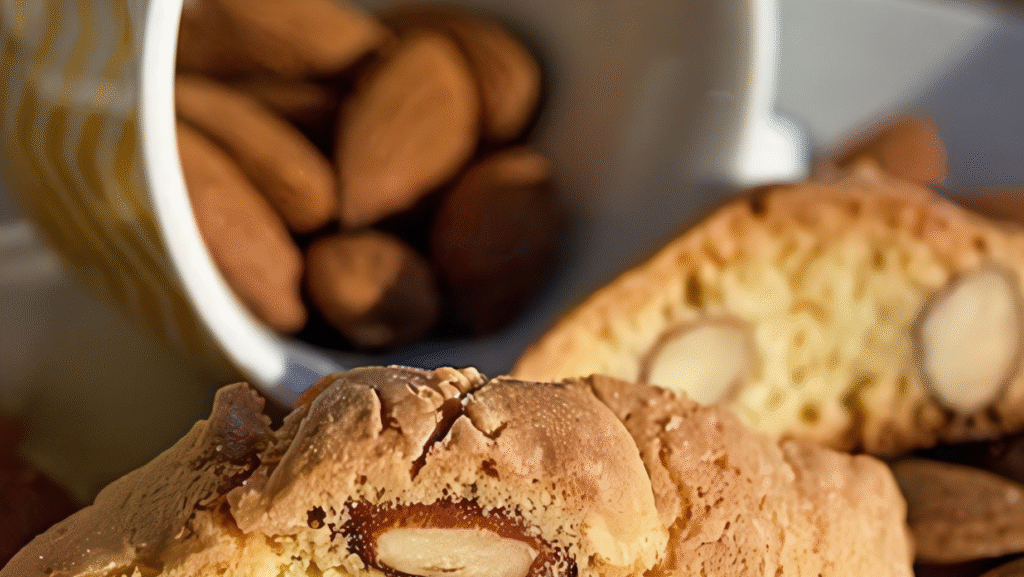
Бишкоти ди Прато (Biscotti di Prato) are traditional Italian almond cookies that are:
- Baked twice for a dry, crunchy texture
- Made with simple ingredients: flour, sugar, eggs, almonds, and flavoring
- Traditionally enjoyed with coffee, tea, or Vin Santo (sweet dessert wine)
Unlike soft cookies, these are intentionally firm, so they hold their shape when dipped and stay fresh for days (or even weeks) in an airtight container.
Origin of Biscotti di Prato
These cookies were born in Prato, a historic town in Tuscany, Italy. Bakers created them as a practical treat that:
- Would not spoil quickly
- Could travel well
- It could be enjoyed with wine or coffee after meals
Over time, Biscotti di Prato became a symbol of Italian hospitality and are now loved globally under different names, including “biscotti,” “cantuccini,” and, in some regions, transliterated as бишкоти ди прато.
Key Ingredients That Make Them Unique
A classic biscotti di Prato recipe is simple but precise. The usual ingredients:
- Flour —all-purpose flour for structure
- Sugar—white sugar for sweetness and crunch.
- Eggs: There is no butter in classic recipes; eggs bind and add richness.
- Almonds – Whole, unpeeled, and lightly toasted for authentic flavor
- Flavoring—Lemon zest, orange zest, or vanilla (sometimes almond extract)
No butter and the double-baking method are what give бишкоти ди прато their signature crisp bite.
How to Make Biscotti di Prato at Home (Simple Method)
Here’s an effortless US-friendly version you can follow.
- Prepare the almonds
- Lightly toast whole almonds in the oven for 8–10 minutes and let them cool.
- Make the dough
- Whisk together about 2 cups all-purpose flour, 3/4 cup sugar, 1 ½ tsp baking powder, and a pinch of salt.
- Add 2–3 eggs and some vanilla or citrus zest.
- Fold in the almonds. The dough will be slightly sticky but workable.
- Shape into logs
- On a floured surface, form 2 logs (about 10–12 inches long).
- Place on a baking sheet lined with parchment.
- First bake
- Bake at 350°F (175°C) for around 20–25 minutes, until firm and lightly golden.
- Slice
- Let logs cool slightly, then slice diagonally into 1/2–3/4 inch pieces.
- Second bake
- Lay slices on their sides and bake again for 8–12 minutes per side until crisp.
Let cool completely. The cookies will firm up more as they cool.
How to Serve Biscotti di Prato
Бишкоти ди прато are versatile and pair perfectly with:
- Coffee or espresso—Dip for a second to soften the edges
- Cappuccino or latte—for a cozy breakfast or snack.
- Hot chocolate—For a rich, indulgent combo
- Vin Santo or dessert wines—Traditional Italian style
- Gift boxes & dessert platters – Their shape and shelf life make them ideal.
They’re simple enough for everyday snacks but elegant enough for guests.
Storage & Shelf Life
One of the biggest advantages of biscotti di Prato is how well they keep.
- Store in an airtight container at room temperature
- They stay fresh and crunchy for up to 2–3 weeks.
- No need for refrigeration
- Perfect for make-ahead baking, holidays, or gifting
Variations You Can Try
While the classic version uses whole almonds, you can experiment:
- Pistachio biscotti di Prato —almond and pistachio mix
- Chocolate chips: Add dark chocolate chunks.
- Orange and almonds: Add orange zest for a brighter flavor.
- Hazelnut – Swap almonds for hazelnuts.
Keep the base simple, don’t overload with wet ingredients, and always bake twice to maintain the authentic texture.
Conclusion
бишкоти ди прато (Biscotti di Prato) are more than just crunchy cookies—they’re a timeless Italian tradition that fits perfectly into modern life: simple ingredients, easy method, long-lasting, and ideal with your favorite hot drink.
FAQs
1. Is бишкоти ди прато the same as biscotti?
Yes. “Biscotti” simply means “twice-baked cookies” in Italian. Biscotti di Prato is the traditional Tuscan almond version, often considered the original style.
2. Why are my biscotti too hard?
They’re meant to be firm, but if they’re rock hard, you may have:
- I baked them too long on the second bake.
- Sliced them too thin
Try slightly reducing the second bake time.
3. Can I make them without almonds?
Yes. You can use other nuts or chocolate chips, but classic biscotti di Prato are almond-based.
4. Are Biscotti di Prato dairy-free?
Traditional recipes do not use butter, so they are usually dairy-free. Always verify ingredient labels if buying ready-made.
5. Can I freeze them?
Yes. You can freeze baked, cooled biscotti in an airtight container or bag. Let them return to room temperature before serving.
For more updates visit: FUSION GLANCE
2 thoughts on “бишкоти ди прато (Biscotti di Prato) A Complete Guide for Crunchy Italian Almond Cookies”