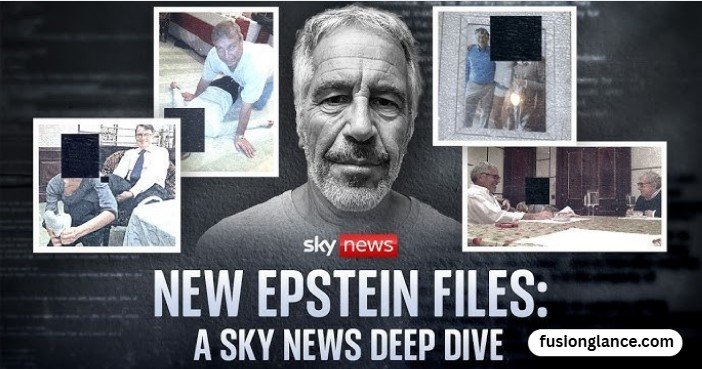
The Epstein File continues to reveal shocking details about the late financier Jeffrey Epstein, exposing the depth of his connections with the scientific world. While Epstein is widely known for his criminal activities and arrest on sex trafficking charges in 2019, newly released files show that his involvement with scientists and research institutions was far more extensive than previously understood.
The release of over three million documents — including emails, financial records, and photographs — by the U.S. Department of Justice under the Epstein Transparency Act has shed light on Epstein’s relationships with top researchers, his influence over academic projects, and the ethical questions surrounding private funding in science.
What Is the Epstein File?
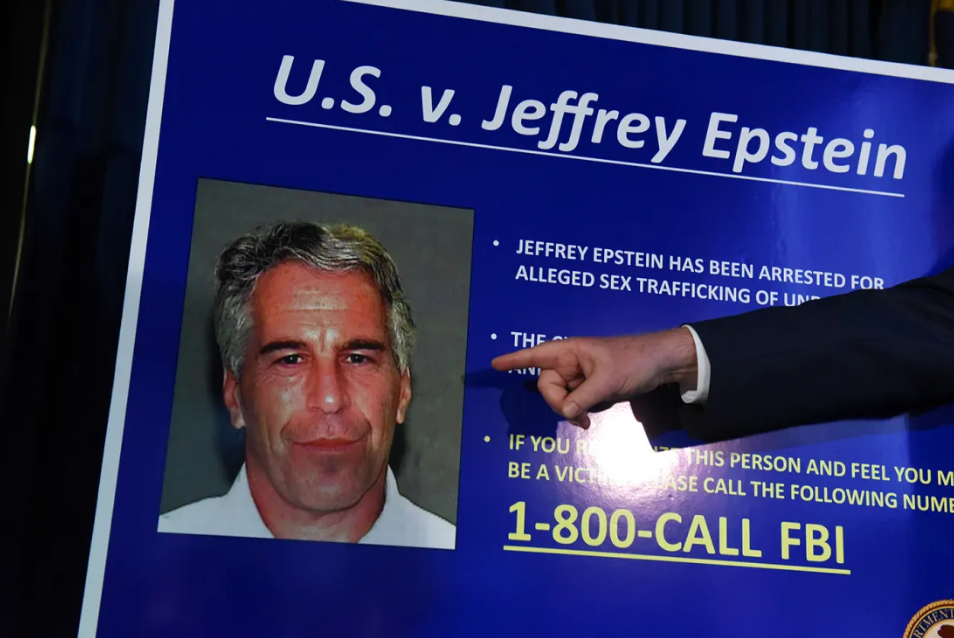
The term Epstein File refers to the collection of all documents, communications, and records associated with Jeffrey Epstein, his criminal investigations, and his financial activities. These files provide insight into:
- Donations and funding to universities and researchers
- Correspondence with high-profile scientists
- Financial transactions linked to academic projects
- Public and private interactions that may influence research
While inclusion in the files does not imply wrongdoing, they illustrate the extensive reach Epstein had in academic circles.
People can read this: Tyvoria Drystok A Trusted Voice in Modern Lifestyle Writing
Epstein’s Involvement in Academia
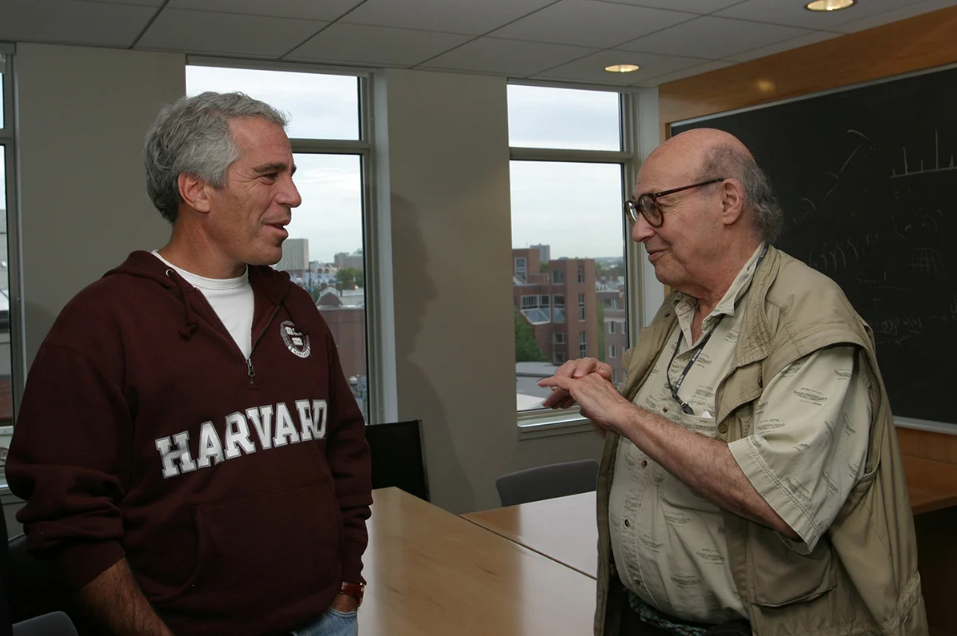
Epstein was not only a wealthy financier but also an active supporter of scientific research. He donated $800,000 to the Massachusetts Institute of Technology (MIT), which caused significant controversy. The MIT donation led to the resignation of two faculty members and the suspension of another, highlighting the reputational risks of accepting funding from Epstein.
At Harvard University, Epstein funded the Program for Evolutionary Dynamics (PED), directed by mathematical biologist Martin Nowak. With a $6.5 million contribution from Epstein, PED explored evolutionary processes using mathematics. Epstein was so involved that his office, called “Jeffrey’s Office,” was located inside the building, and he regularly met with Nowak and other researchers.
People can read this: What Is Jimmy Johnson Football Coach Net Worth A Complete Look at His Career and Wealth
Scientists Mentioned in the Epstein File

The newly released documents mention nearly 30 top scientists who had some form of contact with Epstein. Some notable figures include:
Lawrence Krauss
Theoretical physicist Lawrence Krauss received $250,000 from Epstein for a science outreach organization. Emails indicate that Epstein advised Krauss on how to handle media inquiries during investigations of alleged misconduct. Krauss later stated that he had no knowledge of Epstein’s criminal activities and was shocked by the arrest.
Lisa Randall
Harvard physicist Lisa Randall maintained contact with Epstein, visiting his private Caribbean island in 2014. Randall has expressed regret about her interactions with Epstein and condemned his criminal actions.
Nathan Wolfe
Virologist Nathan Wolfe contacted Epstein to explore funding for a sexual behavior study of undergraduate students, dubbed the “horny virus hypothesis.” Epstein ultimately did not fund the project, and Wolfe later acknowledged the inappropriateness of the proposal and expressed regret for engaging with him.
Martin Nowak and the PED
Nowak was one of Epstein’s closest academic collaborators. He detailed in his 2011 book SuperCooperators that Epstein had personally invited him to visit his private island and even offered to build an institute for him. Emails indicate Epstein’s deep involvement in PED’s work, suggesting research directions and reviewing papers before publication.
People can read this: Dan Blocker’s Daughters Today: Where Are Debra Lee and Danna Lynn Blocker Now?
Corina Tarnita and Scholarship Funding
The Epstein File also reveals interactions with mathematician Corina Tarnita, Nowak’s PhD student, who received Epstein’s support for scholarships in Romania. Emails from 2008 show wire transfers of $15,000 for young female mathematicians. Tarnita emphasized that the funds were purely for educational support, not related to Epstein’s criminal activities. She has since expressed regret for her interactions with him, condemning his crimes.
Controversy and Academic Ethics
The Epstein File has sparked important discussions about the role of private funding in academia:
- Ethical concerns: Scholars question how much influence donors should have over research directions.
- Transparency issues: The involvement of high-profile scientists with Epstein raised reputational risks for institutions.
- Institutional accountability: Harvard closed PED in 2021, and MIT faced criticism for accepting Epstein’s donations.
Jesse Kass, a former Harvard graduate student, commented:
“It’s unheard of for somebody who’s providing funding to be engaged with the actual research on that level. There should be serious discussion on how to prevent this from happening in future partnerships with private funders.”
People can read this: Who Is Is David Muir Gay? Full Story of the American Journalist and Anchor
Lessons From the Epstein File
- Due diligence is critical: Institutions must carefully vet donors.
- Maintain boundaries: Private funders should not influence research directly.
- Transparency builds trust: Public disclosure of funding sources is essential to maintain integrity in academia.
The Epstein File serves as a cautionary tale for universities and researchers, highlighting the complex balance between private funding and ethical academic practices.
Why the Epstein File Matters
The Epstein File is more than a record of criminal investigations. It provides a broader understanding of how wealth, influence, and academic ambition intersected in Epstein’s life. The files emphasize the importance of accountability, both for funders and institutions, and illustrate the risks of allowing donors too much influence over research and public perception.
FAQs
1. What is the Epstein File?
The Epstein File is a collection of over three million documents, including financial records, emails, and photographs, linked to Jeffrey Epstein’s criminal cases and interactions with academics.
2. Did the scientists in the Epstein File commit crimes?
There is no evidence that scientists mentioned in the files were involved in Epstein’s criminal activities.
3. What was Epstein’s connection to universities?
He donated millions to institutions such as MIT and Harvard, funded research programs, and interacted directly with researchers.
4. Why is the Epstein File controversial?
It raises questions about ethical funding, institutional oversight, and the influence of private donors on academic research.
5. How can universities prevent similar issues in the future?
Institutions should enforce strict transparency rules, vet donors carefully, and limit donor influence on research projects.uman trafficking, inspires investigative journalism, and highlights the need for legal transparency.
For more updates visit: FUSION GLANCE