Headlights are more than just a design feature that enhances the appearance of your vehicle. They play a crucial role in road safety by illuminating the path ahead and ensuring that other drivers and pedestrians can see your vehicle clearly. Understanding the difference between low beam and high beam is essential for every driver, as proper headlight usage can significantly reduce the risk of accidents.
Whether you are driving at night, during heavy rain, or on poorly lit roads, choosing the correct beam helps improve visibility and keeps everyone safer on the road.
Why Headlights Are an Important Safety Feature
Drivers have always faced challenges when traveling in low-light conditions. While nighttime is the most obvious example, darkness can also occur during the day due to bad weather such as storms, fog, or heavy cloud cover.
For drivers in rural areas where streetlights are limited, headlights become even more critical. Good lighting allows you to spot obstacles, road signs, pedestrians, and animals well in advance.
Headlights serve two primary purposes:
- Help you clearly see the road ahead
- Make your vehicle visible to others
Both functions are equally important for preventing collisions and ensuring smooth traffic flow.
People can also read this: American Technologies Inc Careers: Opportunities, Benefits, and Growth Path in 2026
The Evolution of Vehicle Headlights
Automotive lighting has improved dramatically over the years. Early vehicles relied on simple gas-filled lamps that provided minimal brightness. As technology progressed, manufacturers introduced more advanced lighting systems that offer better illumination and longer lifespans.
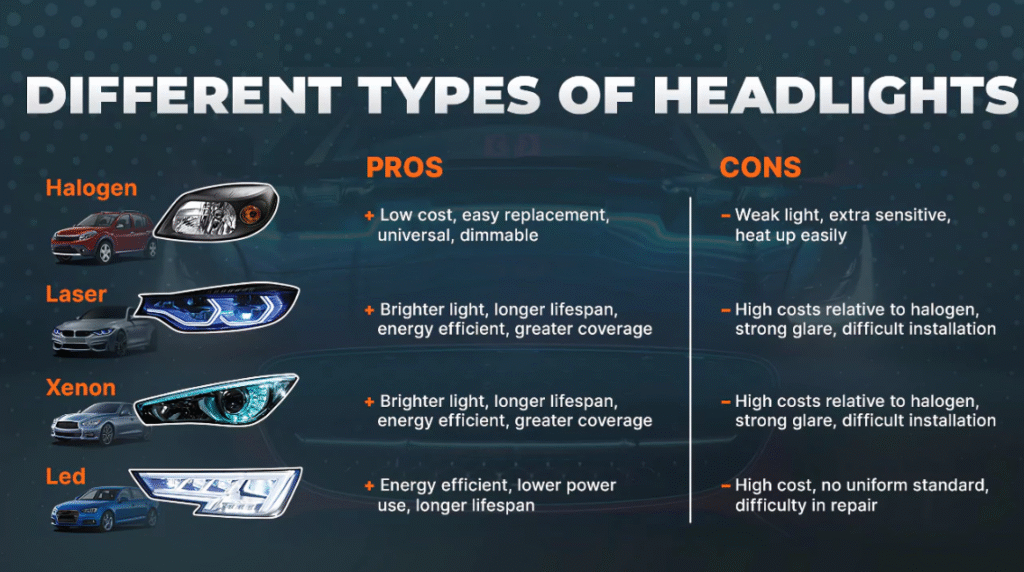
Common Types of Modern Headlights
Halogen Headlights
Halogen bulbs are among the most commonly used headlights today. They are affordable, reliable, and brighter than older lighting systems. Additionally, they can withstand higher temperatures, making them suitable for daily driving.
LED Headlights
LED headlights are known for their superior brightness and energy efficiency. They consume less power while delivering clearer and whiter light, which enhances nighttime visibility.
HID (High-Intensity Discharge) Headlights
HID headlights produce extremely bright light and cover a greater distance compared to traditional bulbs. However, their intensity can sometimes cause glare for oncoming drivers, and some regions regulate their use.
Despite these advancements, knowing the difference between low beam and high beam remains essential for responsible driving.
What Is the Difference Between Low Beam and High Beam?
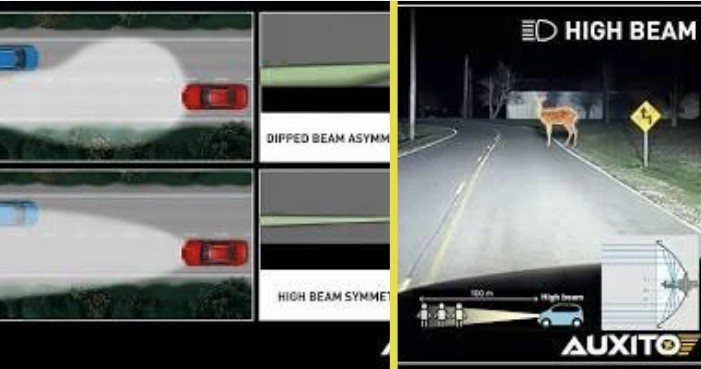
Both low beams and high beams are designed to improve visibility, but they differ in brightness, angle, and usage.
Operational Difference
When you turn on your headlights, the low beams typically activate automatically. High beams must be manually selected using a control lever, usually located near the steering wheel.
Reach and Brightness
The biggest difference between low beam and high beam headlights is how far and how intensely they illuminate the road.
Low Beam Headlights:
- Provide moderate brightness
- Illuminate a shorter distance ahead
- Angle downward to reduce glare
- Suitable for driving in traffic
High Beam Headlights:
- Much brighter than low beams
- Shine straight ahead
- Cover a longer distance
- Ideal for very dark roads
Understanding these differences ensures you maintain visibility without affecting other drivers.
People can also read this: Pinat Scandal Com Unveiling the Controversy and Its Impact
When Should You Use Low Beams?
Low beams are your standard driving lights and should be used in most situations.
Use Low Beams When:
✅ Driving in city traffic
✅ Traveling on well-lit streets
✅ Following another vehicle
✅ Facing oncoming traffic
✅ Driving in rain, fog, or snow
Low beams are designed to prevent glare, making nighttime driving safer for everyone.
A good rule to remember:
If you can see another vehicle nearby, switch to low beams.
When Should You Use High Beams?
High beams are helpful when you need maximum visibility and there are no vehicles close to you.
Use High Beams When:
✅ Driving on rural roads without streetlights
✅ Traveling through very dark areas
✅ Visibility is extremely low
✅ Watching for animals or unexpected hazards
However, avoid using high beams in foggy conditions. The intense light can reflect off moisture in the air and bounce back toward your eyes, reducing visibility rather than improving it.
Always switch back to low beams when another vehicle approaches to avoid temporarily blinding the other driver.
Safety Benefits of Using Headlights Correctly
Knowing the difference between low beam and high beam can dramatically improve driving safety.
Key Benefits Include:
✔ Better reaction time to obstacles
✔ Reduced glare for other drivers
✔ Improved visibility in poor lighting
✔ Lower chance of nighttime accidents
✔ Greater driving confidence
Proper headlight usage is a simple habit that makes a major difference.
Common Headlight Mistakes Drivers Should Avoid
Many accidents happen because headlights are used incorrectly. Avoid these common mistakes:
❌ Using high beams in heavy traffic
❌ Forgetting to dim lights for oncoming vehicles
❌ Driving with dirty or cloudy headlight lenses
❌ Ignoring headlight alignment
❌ Assuming brighter lights are always safer
Routine vehicle maintenance ensures your headlights perform at their best.
Are Brighter Headlights Always Better?
It might seem logical that brighter headlights improve safety, but excessive brightness can create dangerous glare.
The goal is balanced lighting — enough to see clearly without disturbing other drivers.
- Low beams provide controlled illumination for shared roads.
- High beams deliver powerful lighting when driving alone in dark environments.
Smart drivers know when to switch between the two.
Tips for Proper Headlight Use
Follow these expert tips to maximize safety while driving:
⭐ Check your headlights regularly
⭐ Clean the lenses to maintain brightness
⭐ Replace dim or burned-out bulbs promptly
⭐ Ensure headlights are properly aligned
⭐ Avoid flashing high beams unnecessarily
⭐ Use fog lights instead of high beams in heavy fog
Small steps like these can significantly improve nighttime driving safety.
The Future of Automotive Lighting
Modern vehicles continue to introduce innovative lighting technologies designed to enhance safety and convenience.
Some advanced features include:
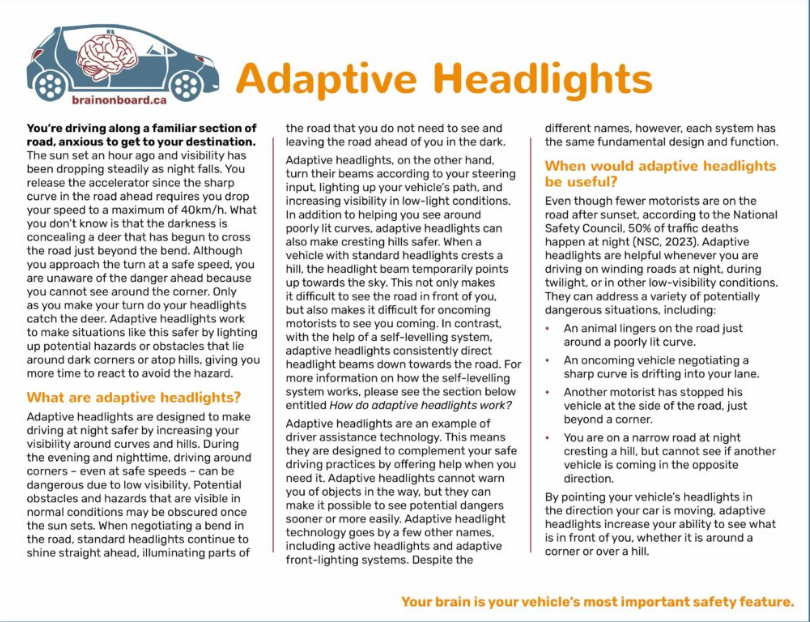
- Adaptive headlights that turn with the steering wheel
- Automatic high beams that adjust when detecting nearby vehicles
- Energy-efficient LED systems
- Ultra-bright laser lighting for extended visibility
These advancements are making driving in low-light conditions safer than ever before.
Final Thoughts
Understanding the difference between low beam and high beam is essential for responsible driving. While headlights may add style to your vehicle, their true purpose is protecting you and others on the road.
Low beams are ideal for everyday driving, offering safe and glare-free illumination in traffic. High beams provide the extra brightness needed when traveling on dark, empty roads.
FAQs
1. What is the main difference between low beam and high beam headlights?
The main difference between low beam and high beam headlights is their brightness and range. Low beams provide moderate light angled downward to prevent glare for other drivers, while high beams emit intense light that reaches a longer distance, making them ideal for dark roads with little or no traffic.
2. When should I switch from high beam to low beam?
You should switch from high beam to low beam whenever another vehicle is approaching or when you are driving behind another car. Dimming your lights prevents temporary blindness caused by glare and helps maintain road safety.
3. Are high beams brighter than low beams?
Yes, high beams are significantly brighter than low beams. They are designed to illuminate a larger portion of the road ahead, allowing drivers to detect hazards earlier. However, they should only be used when no other vehicles are nearby.
4. Can I use high beams in foggy weather?
No, using high beams in fog is not recommended. The bright light reflects off the tiny water droplets in the air and bounces back toward the driver, reducing visibility. Low beams or fog lights are the safer option in such conditions.
For more updates visit: FUSION GLANCE