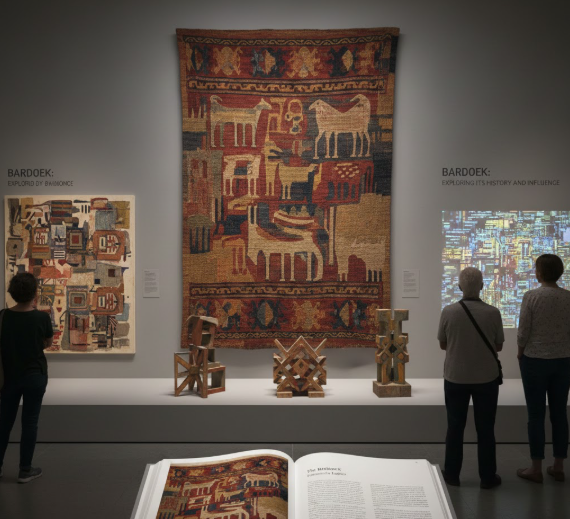
The term bardoek has gained increasing attention in creative and artistic discussions, especially among those interested in cultural expression and visual design. Rooted in tradition yet open to interpretation, bardoek represents more than a single style—it reflects an evolving artistic identity that bridges history and modern creativity.
This article explores the history of bardoek, its influence on modern art, and the key elements that define its unique artistic and design language.
The History of Bardoek
The origins of bardoek can be traced back to early artistic traditions where storytelling, symbolism, and handcrafted techniques played a central role. Historically, bardoek was associated with expressive visual forms that conveyed emotion, belief systems, and cultural narratives through art.
Rather than focusing on realism alone, early bardoek creations emphasized meaning over perfection. Artists used texture, contrast, and symbolic imagery to communicate ideas that words could not easily express. Over time, these techniques evolved, allowing bardoek to adapt to new materials, tools, and cultural influences.
As societies changed, bardoek also transformed. It absorbed regional influences and artistic movements, enabling it to survive across generations while maintaining its distinct identity.
Cultural Influence on Artistic Expression

Bardoek has always been deeply connected to culture. Artists used it as a medium to reflect social values, historical moments, and personal experiences. This cultural grounding gave bardoek a strong emotional core, which continues to resonate with modern audiences.
People can also read this: Who Is Clare Holland All About Her Background, Career, and Public Profile
Because of this foundation, bardoek is often seen as an art form that respects heritage while encouraging creative freedom. This balance has helped it remain relevant even as artistic trends continue to evolve.
Bardoek’s Influence on Modern Art
In contemporary art, bardoek has influenced many modern styles, particularly those that value abstraction, symbolism, and emotional depth. Modern artists often draw inspiration from bardoek’s emphasis on storytelling and layered meaning.
The influence of bardoek can be seen in paintings, mixed-media art, digital illustrations, and even architectural design. Artists incorporate its principles to create works that feel both timeless and innovative.
By blending traditional elements with modern techniques, bardoek-inspired art challenges viewers to look beyond surface aesthetics and engage with deeper concepts.
Key Elements of Bardoek Art and Design
One of the defining characteristics of bardoek art is its strong visual language. Colors are often used intentionally to evoke emotion, while shapes and patterns carry symbolic meaning. Texture also plays an important role, adding depth and character to the artwork.
Another key element is balance. Bardoek designs often combine structured forms with organic movement, creating harmony between control and creativity. This balance makes the art visually engaging and emotionally impactful.
People can also read this: Best Shampoo and Conditioner The Complete Guide to Healthier, Stronger Hair
Storytelling is also central to bardoek. Each piece typically conveys a narrative, whether personal, cultural, or abstract. This narrative quality encourages viewers to interpret the artwork in their own way, making each experience unique.
Materials and Techniques in Bardoek
Traditional bardoek relied on handcrafted methods and natural materials. Over time, artists began experimenting with new tools and media, expanding the possibilities of the art form.
In modern interpretations, bardoek may incorporate digital techniques, layered compositions, or unconventional materials. Despite these innovations, the core philosophy remains the same: expression, meaning, and connection.
Why Bardoek Remains Relevant Today
The continued interest in bardoek reflects a broader desire for authenticity in art. In a fast-paced digital world, many people are drawn to art forms that feel meaningful and emotionally grounded.
Bardoek offers this depth by encouraging reflection and interpretation. It does not rely solely on trends but instead focuses on lasting artistic values such as expression, storytelling, and cultural awareness.
The Future of Bardoek in Art and Design
As art continues to evolve, bardoek is likely to remain a source of inspiration for future creators. Its adaptability allows it to merge with emerging technologies while preserving its traditional roots.
Artists who explore bardoek today are redefining it for new audiences, ensuring that it continues to grow rather than remain static. This ongoing evolution keeps bardoek relevant in both traditional and modern artistic spaces.
Conclusion
Bardo.ek represents a powerful blend of history, culture, and creative expression. From its early origins to its influence on modern art, it has remained a meaningful and adaptable artistic form.
By focusing on symbolism, storytelling, and emotional depth, bardo.ek continues to inspire artists and designers across generations. Its lasting appeal lies in its ability to connect the past with the present, making it an enduring force in the world of art and design.
For more updates visit: FUSION GLANCE
2 thoughts on “Bardoek Exploring Its History and Influence on Modern Art”