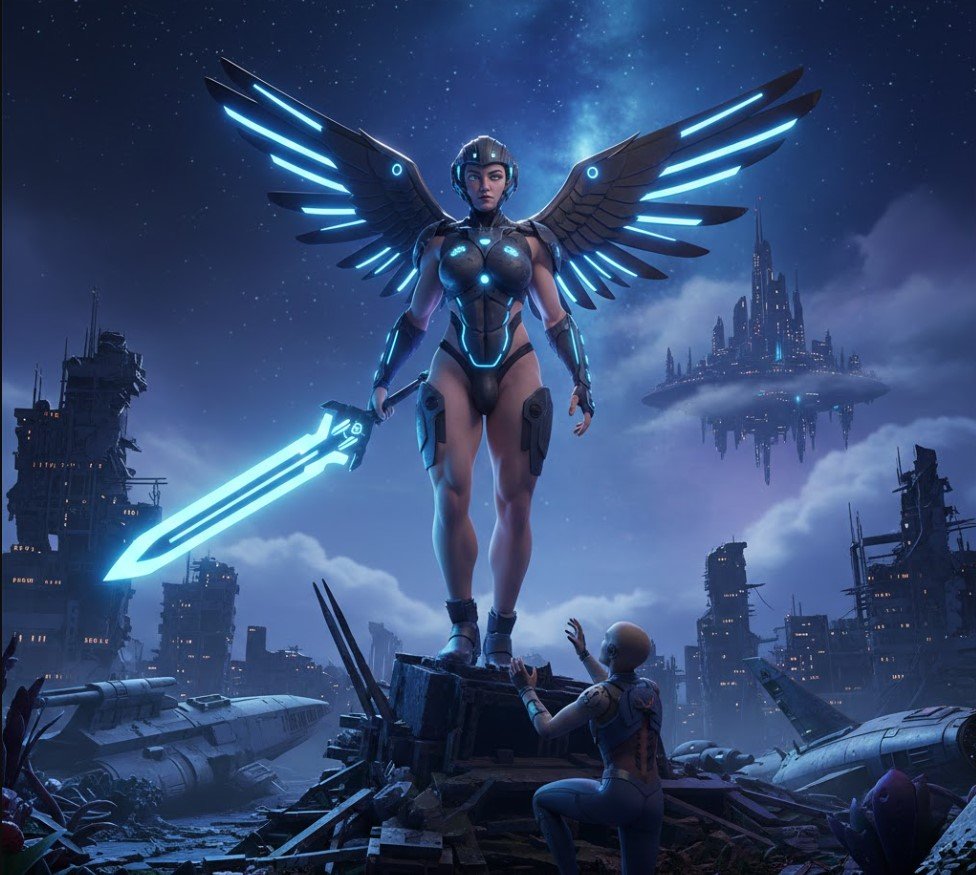
The term futa sfm has become increasingly visible across online creative and animation communities, particularly among people exploring 3D animation, fan art culture, and digital storytelling. While the phrase often appears in adult-tagged spaces, understanding it responsibly requires context, nuance, and an awareness of how digital creativity, fandom culture, and ethical boundaries intersect.
This article provides a detailed, educational overview of futa sfm from a cultural and technical perspective rather than a graphic or explicit one. The goal is to inform readers, creators, and researchers about what the term means, where it comes from, how it is used, and what considerations are essential when engaging with or researching this niche topic. The discussion is framed to meet modern content quality standards, emphasize safety and responsibility, and reflect real-world creative practices.
Understanding the Term “Futa SFM” in Context
To understand futa sfm, it helps to break the phrase into its core components and examine them separately before considering how they are used together in online culture.
The word “futa” is derived from the Japanese term “futanari,” which historically appeared in mythology and art long before the internet age. Over time, the word evolved within anime and manga subcultures to describe fictional, adult-only character archetypes. In modern usage, the term is strongly associated with adult-oriented fan art and should always be treated as such, with clear age restrictions and content labeling.
People can also read this: 777777 Color Meaning, Psychology, Design Uses, and Digital Impact
SFM stands for Source Filmmaker, a real-time 3D animation software developed by Valve. It was originally created to help animators produce short films using assets from video games built on the Source engine. Over the years, SFM has been adopted by a wide range of creators who use it for animation practice, storytelling, parody, and experimental digital art.
When combined, the phrase futa sfm typically refers to a niche category of fan-made 3D animations or renders created using Source Filmmaker and themed around adult fictional characters. Importantly, discussion of this topic can remain analytical and cultural without describing or promoting explicit material.
The Evolution of Source Filmmaker as a Creative Tool
To understand why sfm futa content exists at all, it is important to understand the role of Source Filmmaker in online creativity. SFM gained popularity because it lowered the technical barrier to 3D animation. Artists who lacked access to expensive animation pipelines could still produce cinematic scenes, learn lighting, camera movement, and storytelling fundamentals.
Many creators use SFM as a stepping stone into professional animation, game development, or visual effects. Others treat it as a hobbyist tool for fan expression. The platform’s accessibility led to a wide range of content genres, from comedy shorts and action scenes to narrative experiments and stylized character studies.
As with many creative tools, SFM itself is neutral. The nature of the output depends entirely on the creator and the audience they serve. This is where adult-tagged subcultures, including futa sfm, emerged as a subset rather than a defining feature of the software.
Cultural and Community Context of Futa SFM
Within online fandoms, especially those connected to anime, gaming, and digital art, niche interests often form their own micro-communities. These spaces usually operate on shared norms, content warnings, and platform-specific rules.
Futa sfm exists within this ecosystem as a niche interest rather than a mainstream one. Most platforms that allow such content require strict age verification and tagging. Responsible creators and viewers understand that this material is intended for adults only and should never appear in general or youth-oriented spaces.
Also Read: Mylt34 The Ultimate Guide to the Future of Smart Automation
From a sociological perspective, the existence of such niches reflects how the internet enables highly specific forms of self-expression. People with shared interests can connect globally, collaborate creatively, and develop distinct aesthetics. Studying these communities can offer insight into digital identity, fandom behavior, and the evolution of online art forms.
Artistic and Technical Aspects of SFM Creations
From a purely technical standpoint, creating any high-quality SFM animation, regardless of theme, requires skill and planning. Artists work with rigged models, lighting setups, camera paths, textures, and post-processing techniques. Many spend years refining their craft.
In sfm futa projects, the technical challenges are similar to those faced in other genres. Artists must manage character rigs, avoid model distortion, create natural-looking poses, and maintain visual coherence. Lighting and composition play a major role in whether a scene feels professional or amateur.
These technical skills are transferable. Many creators who start in niche communities later apply their experience to mainstream animation, game development, or cinematic storytelling. This is one reason why discussions about SFM often focus on technique rather than content alone.
Ethical Boundaries and Responsible Engagement
Any discussion of futa sfm must address ethics. Ethical engagement means acknowledging that this type of content is intended exclusively for adults and must never involve or resemble minors in any form. Responsible communities actively moderate content, enforce age restrictions, and discourage misuse.
Another ethical consideration is consent and representation. Even in fictional settings, creators often discuss how to portray characters respectfully, avoid harmful stereotypes, and label content accurately so viewers can make informed choices.
For viewers and researchers, ethical engagement means understanding context, respecting platform rules, and avoiding the redistribution of content without permission. Digital art, even when shared freely, remains the intellectual property of its creator.
Legal and Platform Considerations
Different platforms have different policies regarding adult content. Some allow it under strict tagging and age verification, while others prohibit it entirely. Understanding these rules is essential for anyone engaging with or studying futa sfm content.
Copyright law is also relevant. Many SFM models are derived from video games or other intellectual properties, and their use may be governed by specific licenses. Responsible creators often rely on community-made assets that are shared with permission or under clear usage terms.
Also Read: Isuzu Medium Duty Trucks: Power and Reliability for Your Business
From a legal standpoint, the safest approach is always transparency, respect for platform guidelines, and compliance with local laws. This protects both creators and audiences.
The Role of Search Behavior and SEO Awareness
The popularity of search terms like futa sfm and sfm futa reflects curiosity rather than endorsement. Search engines index content based on relevance, and educational or contextual articles help provide balanced information.
SEO-friendly content in this area should aim to inform rather than sensationalize. High-quality articles focus on definitions, cultural context, technical background, and ethical considerations. This approach aligns with modern search engine guidelines that prioritize helpful, human-centered content.
By framing the topic responsibly, writers contribute to a healthier information ecosystem and reduce misinformation or harmful assumptions.
How Communities Self-Regulate and Educate
Many online communities dedicated to animation and digital art actively educate newcomers. Tutorials, discussion threads, and moderation guidelines help set expectations. In spaces where adult content exists, clear labeling and separation from general content are standard practices.
This self-regulation is one reason niche communities can coexist within larger platforms. It demonstrates that creative freedom and responsibility are not mutually exclusive.
For researchers and observers, these communities provide valuable case studies in digital governance, peer moderation, and participatory culture.
The Broader Impact of Niche Digital Art Forms
While futa sfm is a niche topic, its existence highlights broader trends in digital culture. The internet allows people to explore identity, creativity, and storytelling in ways that were not previously possible. It also challenges platforms to balance freedom of expression with safety and inclusivity.
Understanding these dynamics helps demystify online subcultures and reduces stigma. When approached academically or journalistically, even controversial topics can be discussed with nuance and respect.
Future Trends and Responsible Evolution
As animation tools become more accessible and AI-assisted workflows evolve, the volume and quality of user-generated content will continue to grow. This includes all genres, from mainstream animation to niche communities.
Future discussions around futa sfm and similar topics will likely focus more on ethical standards, consent frameworks, and digital literacy. Education will play a key role in helping users navigate online spaces responsibly.
Creators who prioritize transparency, respect, and technical excellence are more likely to contribute positively to the broader digital ecosystem.
Conclusion
Futa sfm is best understood not as a standalone phenomenon but as part of a larger landscape of digital creativity, fandom culture, and online expression. By examining its origins, technical foundations, ethical considerations, and community norms, we gain a clearer picture of how niche content fits into the modern internet.
Approaching the topic with neutrality and responsibility allows for informed discussion without sensationalism. Whether viewed from a cultural, technical, or sociological perspective, the subject offers insight into how digital communities form, evolve, and self-regulate in an increasingly connected world.
FAQs
What does futa sfm mean in general terms?
It refers to a niche category of digital content created using Source Filmmaker that draws from specific fictional themes. The term is typically used in adult-only contexts and should be approached with appropriate discretion.
Is Source Filmmaker only used for adult content?
No. Source Filmmaker is widely used for many types of animation, including comedy, storytelling, tutorials, and fan tributes. Adult content represents only one small subset of its overall use.
Is it safe to research this topic online?
It can be, provided you use reputable sources, respect age restrictions, and avoid unmoderated platforms. Educational or analytical discussions are generally safe when handled responsibly.
Why is context important when discussing this topic?
Context helps prevent misunderstanding and misuse. It ensures that discussions remain informative, ethical, and appropriate for their intended audience.
For more updates visit: FUSION GLANCE
4 thoughts on “Futa SFM A Comprehensive, Responsible Exploration of the Term, Culture, and Creative Context”